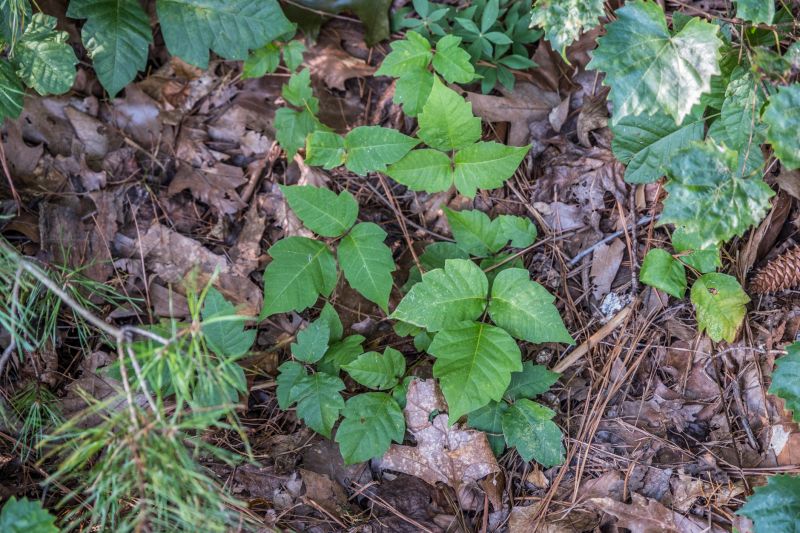
Poison Oak Removal in Burlington County, NJ
Poison oak removal services focus on safely eliminating this invasive plant from residential properties, helping homeowners maintain safe and accessible outdoor spaces. These services typically cover projects such as clearing poison oak from yards, gardens, fence lines, and other landscaped areas, especially where the plant poses a risk of skin irritation or allergic reactions. Property owners often request removal when poison oak spreads across their property, encroaches on play areas, or threatens nearby natural spaces, ensuring that outdoor environments remain safe for family activities and outdoor enjoyment.
Before requesting poison oak removal, property owners usually want to understand the extent of the infestation, the methods used for removal, and any necessary follow-up treatments to prevent regrowth. It’s also helpful to know whether the removal process involves cutting, digging, or herbicide application, and if any safety precautions are recommended during and after the work. Clear communication about the property’s landscape and the location of poison oak can assist in planning an effective removal strategy, ensuring the space remains safe and free of this potentially harmful plant.
Many property owners in Burlington County, NJ look into Poison Oak Removal for repairs, replacements, upgrades, and appearance-related improvements.
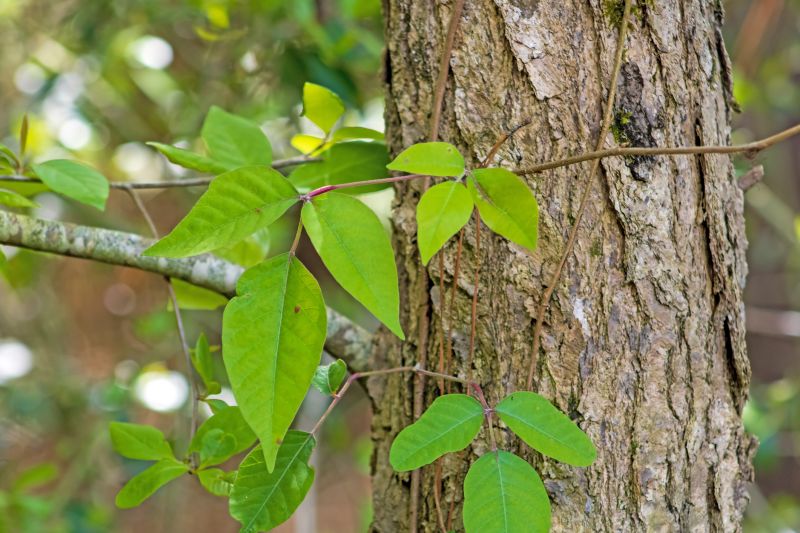
Poison Oak Identification
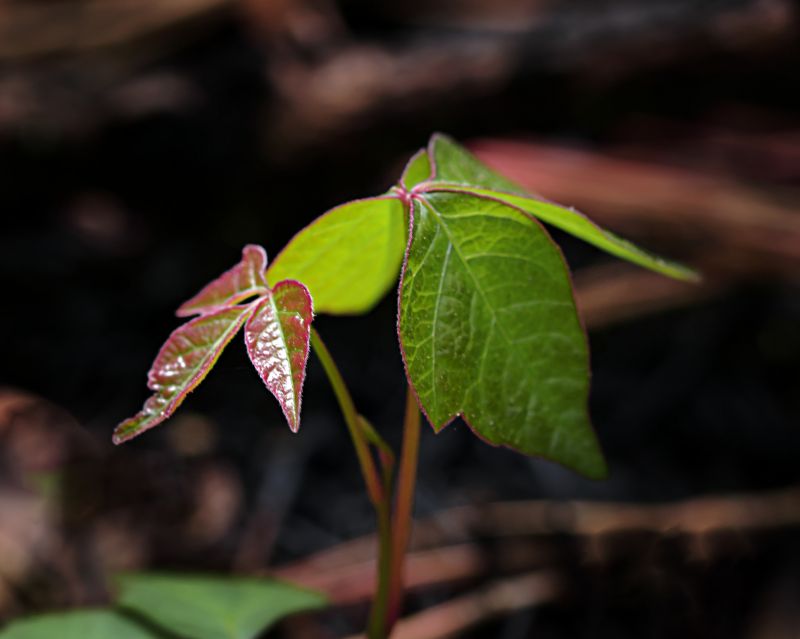
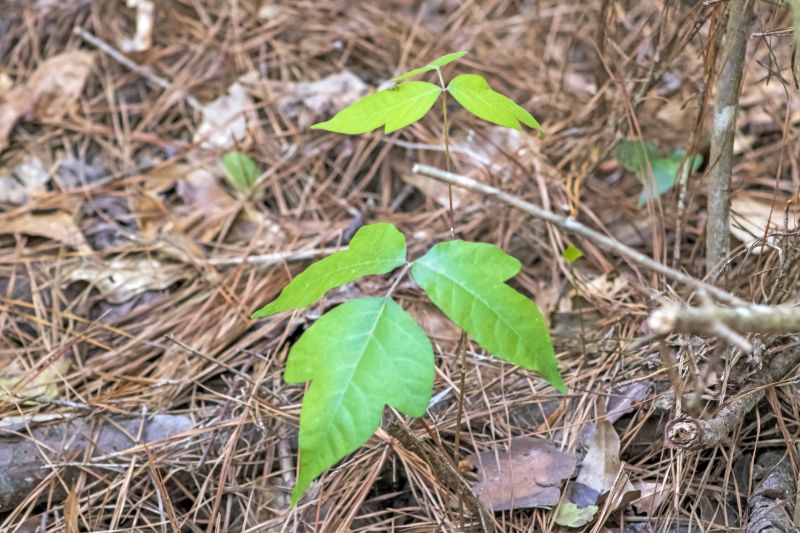
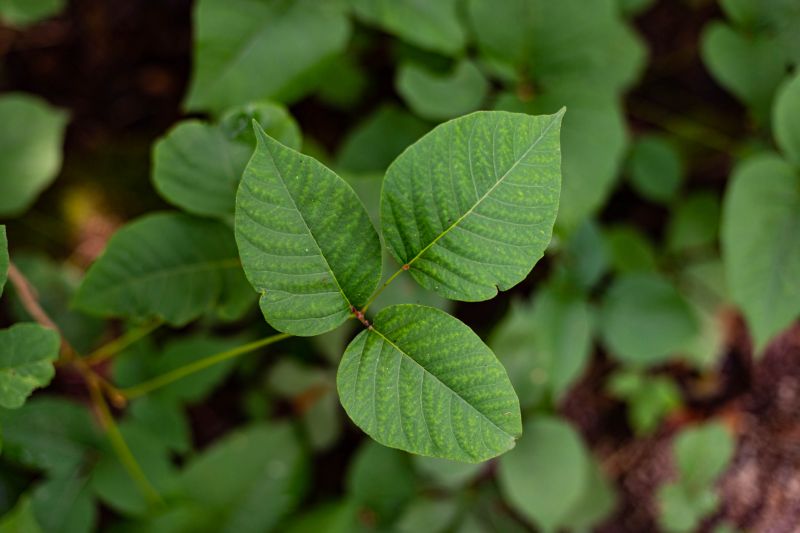
Recognizing poison oak is essential for safe removal and prevention on residential and commercial properties.
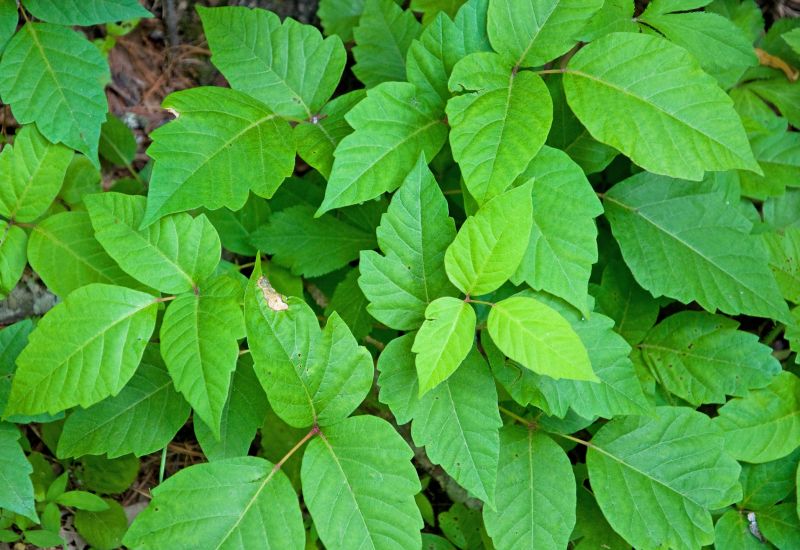
Property Safety Measures
Proper removal techniques help protect families, pets, and visitors from exposure to the plant's irritants.
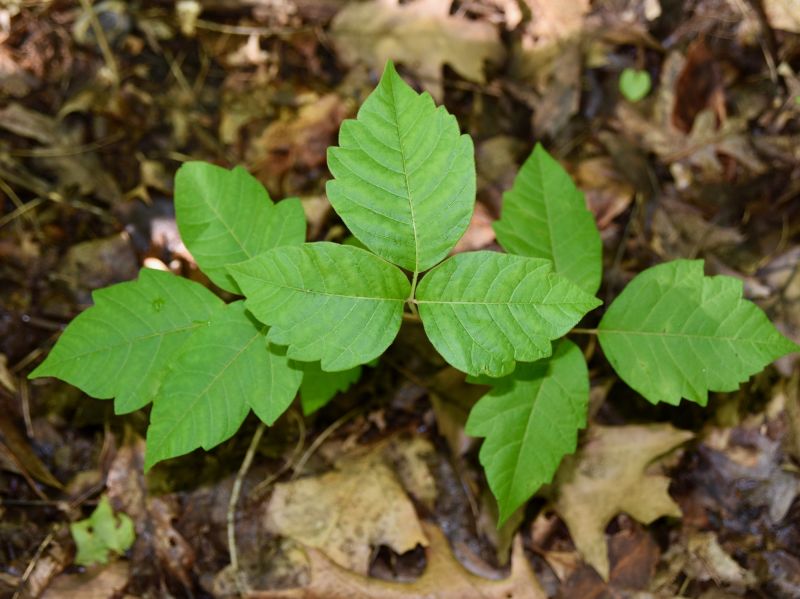
Landscaping And Maintenance
Regular clearing of poison oak supports healthy landscaping and reduces the risk of accidental contact in burlington county, nj.
Poison Oak Removal in Burlington County, NJ
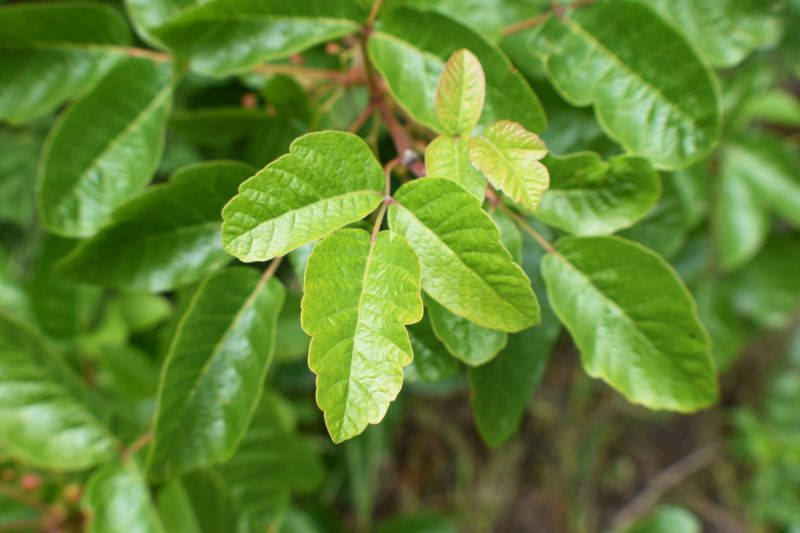
Poison oak removal services focus on safely eliminating this invasive plant from residential properties, helping homeowners maintain safe and accessible outdoor spaces. These services typically cover projects such as clearing poison oak from yards, gardens, fence lines, and other landscaped areas, especially where the plant poses a risk of skin irritation or allergic reactions. Property owners often request removal when poison oak spreads across their property, encroaches on play areas, or threatens nearby natural spaces, ensuring that outdoor environments remain safe for family activities and outdoor enjoyment.
Before requesting poison oak removal, property owners usually want to understand the extent of the infestation, the methods used for removal, and any necessary follow-up treatments to prevent regrowth. It’s also helpful to know whether the removal process involves cutting, digging, or herbicide application, and if any safety precautions are recommended during and after the work. Clear communication about the property’s landscape and the location of poison oak can assist in planning an effective removal strategy, ensuring the space remains safe and free of this potentially harmful plant.
Many property owners in Burlington County, NJ look into Poison Oak Removal for repairs, replacements, upgrades, and appearance-related improvements.
Common Poison Oak Removal Jobs
Poison Oak Removal - safe removal of poison oak to prevent skin irritation and allergic reactions.
Yard Clearing - removal of poison oak from lawns, gardens, and wooded areas.
Brush and Shrub Removal - clearing overgrown poison oak from dense shrubbery and landscape edges.
Property Maintenance - ongoing removal services to keep poison oak from re-establishing.
Land Clearing - large-scale removal of poison oak from vacant lots and construction sites.
Selective Herbicide Application - targeted treatment to eliminate poison oak without harming surrounding plants.
Poison Oak Removal Questions
What is poison oak removal? Poison oak removal involves safely eliminating the plant to prevent skin irritation and protect property health.
When should poison oak be removed? Removal is recommended when poison oak is growing in areas accessible to people or pets, or when it poses a risk of contact.
What areas are typically treated for poison oak? Common areas include yards, fences, trails, and around outdoor structures where the plant may grow.
Is professional removal necessary? Professional removal ensures safe and thorough elimination, especially in hard-to-reach or heavily infested areas.
Request Poison Oak Removal in Burlington County, NJ
Use the quote form on this page to share the basics of your project and request more information for the type of work you need.